Stories Reborn Inside Historic Walls
We’re diving into Adaptive Reuse Narratives in Historic Interior Renovations, celebrating how past lives of buildings guide present-day decisions. From layered materials to community memories, these stories shape lighting, circulation, comfort, and codes without silencing heritage. Expect methods, field anecdotes, and design strategies that reconcile performance with character. Join the conversation, share your discoveries, and help trace how spaces remember, adapt, and flourish when designers listen closely to what the walls already know.

Reading Rooms Like Archives
To design with respect, treat every corridor and cornice as an open archive, where traces of use guide contemporary choices. We map stories onto sequences, letting materials, light, and acoustics reveal previous functions while suggesting new rituals. Mistakes become clues, not embarrassments, and erasures are resisted. Add your reflections, because shared observations often unlock the most humane spatial decisions.

Material Clues and Honest Repairs
Salvage as Storytelling
Catalog each piece with origin, dimensions, and condition, then narrate its return to service. A door rebored for accessibility can display careful infill like a footnote. Publish drawings, tags, and before–after photos so contractors, neighbors, and future caretakers understand why keeping something is not merely sentimental but operationally wise.
The Pedagogy of Patina
Visible wear can be a teacher if sealed and stabilized, not erased. A countertop scorched by decades of baking might remain beside new induction units, illustrating continuity of making. Explain maintenance plans, invite users to touch responsibly, and celebrate surfaces that carry memory while meeting hygiene, durability, and safety goals.
Structure That Speaks
Leave selected joists, rivets, or brick bonds visible where structure tells clear stories about span, craft, and era. Integrate discreet monitoring and lighting so the ensemble reads confidently at eye level. Encourage visitors to look up, compare bays, and understand why new insertions align rather than compete.
Light, Acoustics, and Comfort Without Disguise
Environmental upgrades should feel inevitable, not apologetic. Daylight can retrace historic alignments, acoustic treatments can echo molding rhythms, and air paths can hide in shadow gaps that respect profiles. Aim for comfort that helps people linger and listen. Share the tricks you use to position vents, suspend luminaires, and tune reverberation while avoiding theatrical pastiche.

Daylight That Explains the Plan
Before adding fixtures, test how sun and sky already model walls and floors. Reopen clerestories or widen internal windows to revive forgotten relationships. Use matte surfaces to soften glare, and align desks or displays with historic axes so daily patterns reveal both craftsmanship and contemporary use, inspiring attentive, unhurried occupation.

Quiet Systems, Loud History
Route ducts and conduits through service spines that correspond to prior utility paths, avoiding arbitrary soffits. Choose low-velocity airflow and vibration isolation so conversations and creaks remain audible. Publish a simple diagram near the entry showing how comfort is delivered, honoring ingenuity while keeping intervention legible, teachable, and repairable.
Furniture as Narrative Companion
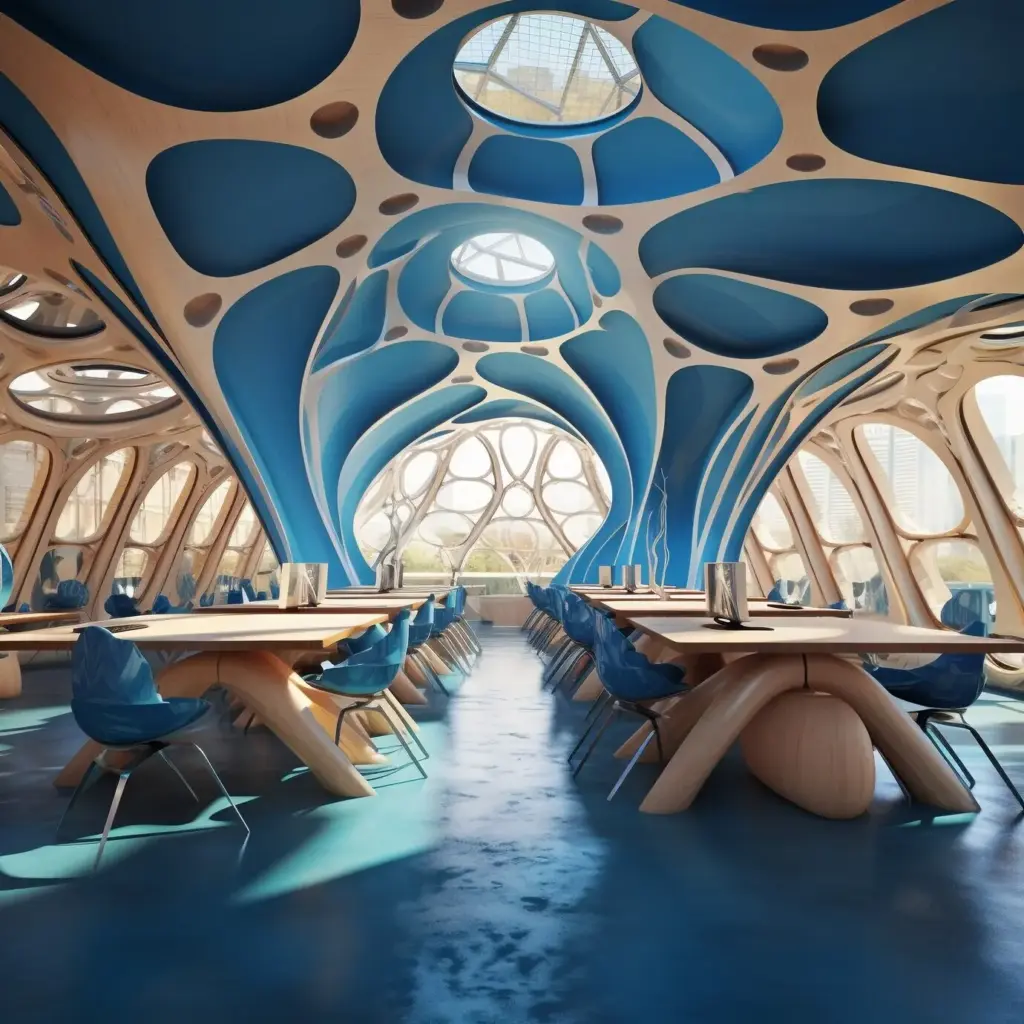
Loose pieces can mediate between periods. Design tables that reference original joinery while accommodating power, mobility, and mixed uses. Place them where footprints suggest former machinery or pews, turning everyday touch into remembrance. Invite feedback from users, iterate prototypes, and credit craftspeople whose hands sustain continuity across changing programs.
Codes, Access, and Climate With Integrity
Compliance can be graceful when argued from building logic rather than brute overlay. Coordinate early with authorities, bring mock-ups, and demonstrate equivalencies that protect character while delivering safety, inclusion, and resilience. Treat accessibility as a design generator and climate action as stewardship. Share your negotiations, approvals, and setbacks so others can learn and adapt respectfully.
Community Voices and Shared Stewardship
{{SECTION_SUBTITLE}}

Gathering Oral Histories
Hold recording sessions amid scaffolds so memories connect to rooms, not conference tables. Prompt with artifacts, smells, and songs. Transcribe, archive, and integrate quotes into signage or seating. Credit storytellers prominently, and invite them back after opening to verify that changes respect meaning, accessibility, and everyday rhythms they described.

Evolving Economies Within Old Rooms
Introduce uses that generate gentle, steady income without overwhelming fabric—bookstores, tool libraries, repair cafés, or co-working tables shared with local groups. Publish transparent budgets, pay fairly, and prioritize learning opportunities. Ask readers which partnerships sustain care in their cities, and gather replicable models supporting maintenance without compromising dignity or authenticity.
Hand and Machine in Dialogue

Laser scans and photogrammetry can capture warps and sags, while carpenters translate tolerances into shims and wedges that respect historic joinery. Prototype connections off-site, then invite the neighborhood to watch installation. Credit both algorithms and hands equally, showing that precision and patience together make adaptive work resilient, reversible, and beautiful.
Reversible Details as Promise

Use screwed plates, slotted anchors, and dry joints where possible, recording locations on shared models. Mark interventions with subtle dates for future reading. Write maintenance scripts and deconstruction plans, turning empathy for tomorrow’s caretakers into design. Share downloads, invite critique, and revise details as field conditions teach better, kinder solutions.
Documenting the Next Chapter

Close each project with an accessible manual that mixes drawings, stories, warranties, and care rituals. Include a feedback address and seasonal checklists. Encourage occupants to annotate, photograph updates, and submit ideas. Promise to listen, return, and learn, transforming handover into the beginning of a living, evolving stewardship partnership.

All Rights Reserved.